What a downspout extension is for
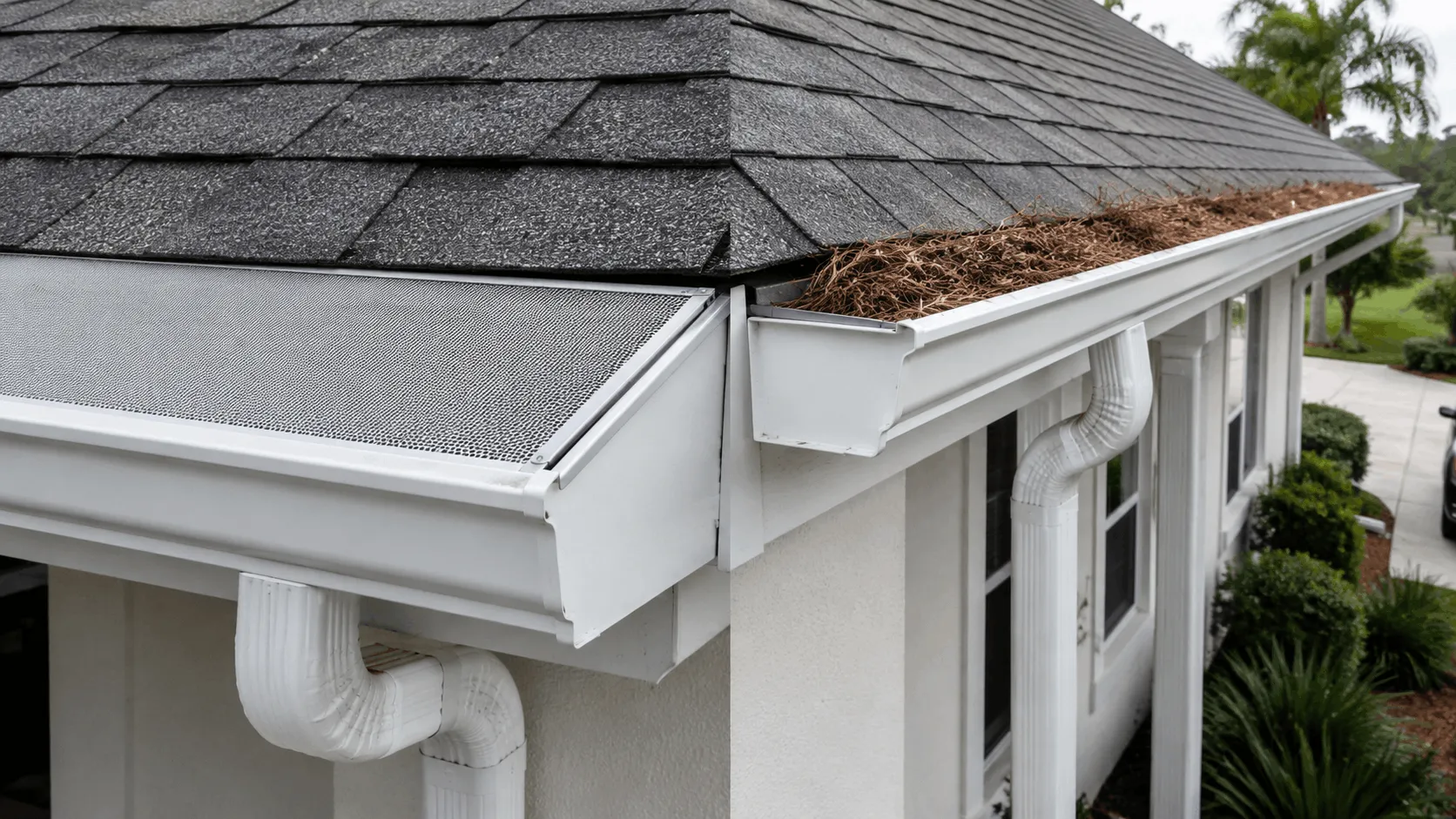
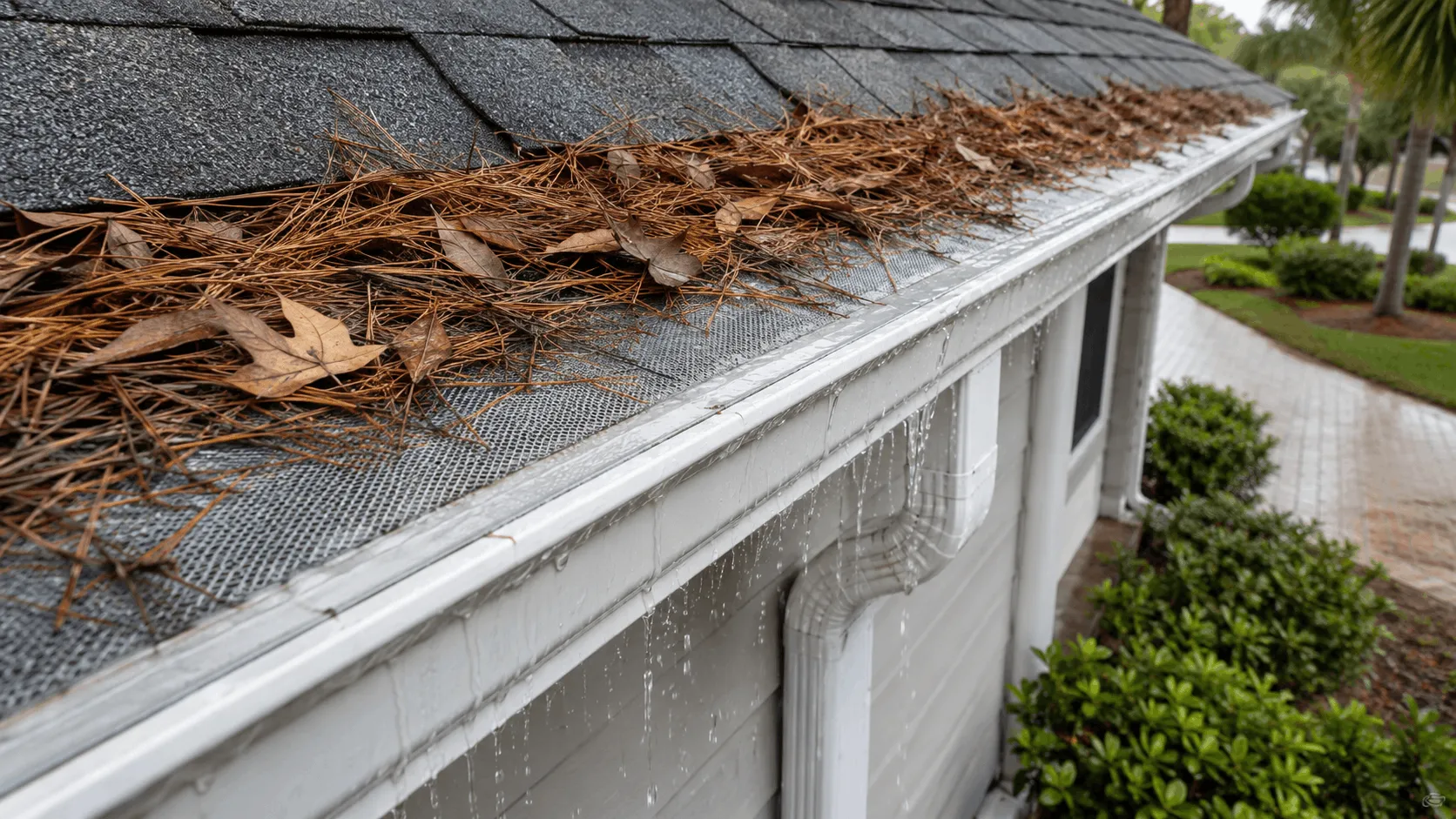
Gutters collect the water that runs off a roof and send it down a handful of downspouts, so everything the gutters catch comes out at those few points.
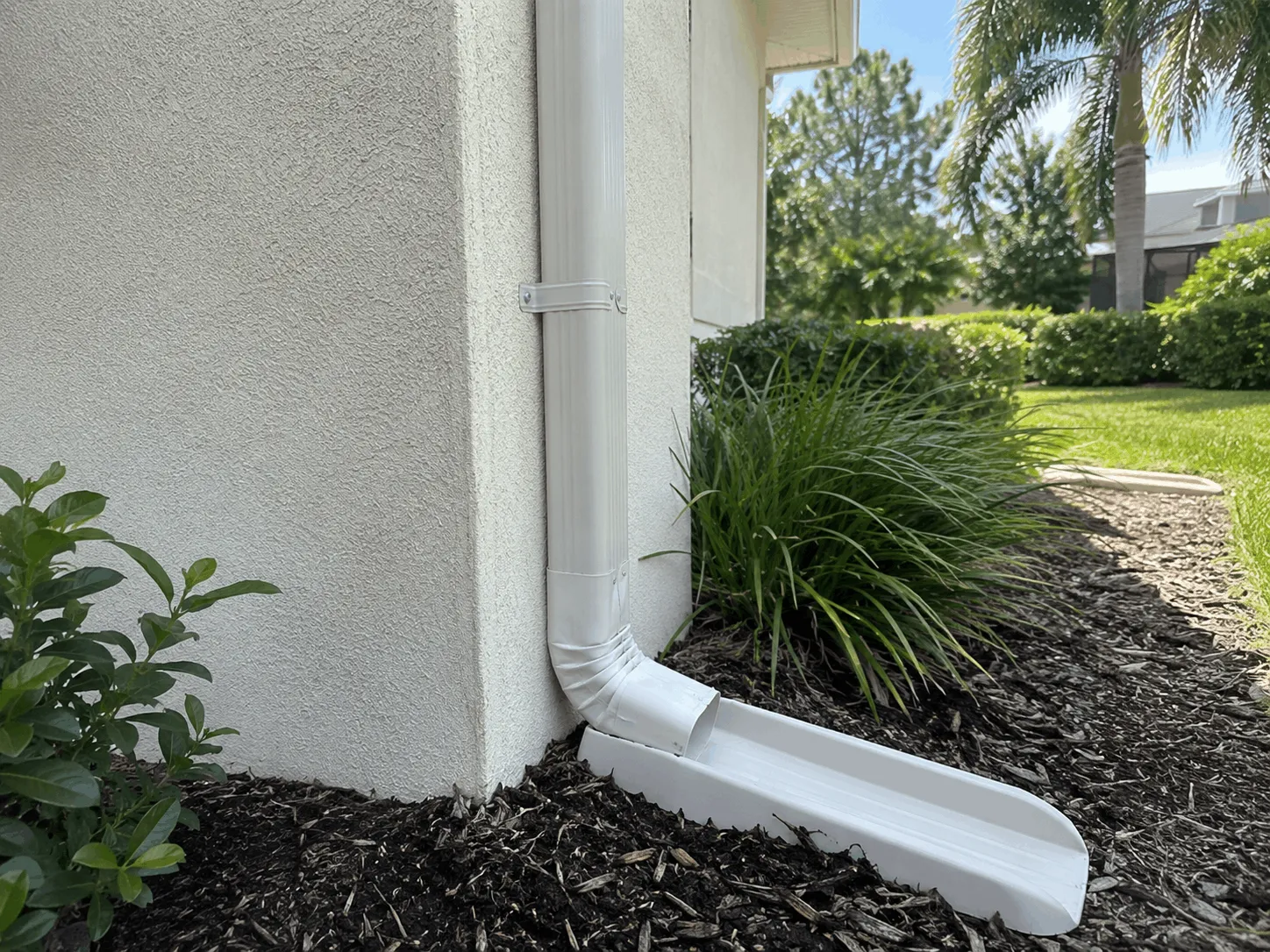
Delaware’s state environmental agency notes that when downspouts end at the base of a building, stormwater may pool against the foundation. An extension is a length of pipe added to the bottom of the downspout so the water comes out farther from the building.
Extension, splash block or elbow
Each fitting solves a different problem:
- Extension. Carries the water farther out before it is released. The right choice when the water is landing too close to the house.
- Splash block. A shaped block set under the outlet that spreads the water out as it lands. The right choice when the distance is fine but the water is washing out soil or mulch.
- Elbow. An angled fitting that turns the pipe. The right choice when the water needs to go in a different direction, such as away from a door, a walkway or a corner.
They can be combined. An elbow can turn the pipe away from a path, an extension can carry it out to open ground, and a splash block can sit at the end to spread it. Extensions come in colors that match the downspout, and brackets hold the pipe flat to the wall so it stays where it was set.
Where the water should end up
University of Florida IFAS guidance on Florida-Friendly Landscaping says to direct downspouts and gutters into landscaped areas or pervious surfaces, meaning lawn, beds and other ground that water can soak into.
The opposite is a hard surface. Delaware’s environmental agency advises making sure downspouts do not flow directly onto driveways, sidewalks or roads. Water released on paving does not soak in; it runs on to wherever the paving slopes.
After rain, the water should not be pooling against the wall, and the ground where it comes out should not be washing away. If either is happening, the outlet may be in the wrong place or the water may not be spreading.
Choosing by where the water lands
Start with what is at the bottom of the pipe today:
- Open lawn beside the house. An extension can carry the water out onto the grass.
- A planting bed. A splash block at the outlet keeps the water from digging into the bed. If the bed sits right against the wall, an extension that reaches past it may also be needed.
- A walkway, driveway or door. An elbow or a moved outlet sends the water a different way, so it is not crossing the path people use.
- A corner with no room to run a pipe. The downspout itself may need to move along the gutter to a better spot. Relocating an outlet and rerouting the pipe is common work.
Signs a downspout needs an extension or a move
Look at the ground where the pipe ends after it rains:
- Puddles sitting against the foundation
- Soil or mulch washed away below the outlet
- Water running across a walkway or driveway
A downspout hanging loose, or water backing up at the top in heavy rain, points to a repair or a blockage instead.
When an extension is not the answer
An extension only moves water that has already come down the pipe. When water spills over the gutter edge in heavy rain while the downspouts are clear, the run may need another downspout, and how many a roof needs depends on how much roof feeds each gutter run.
A gutter that is too small for its roof is a different problem.
Buried pipe, French drains, grading and excavation are drainage contractor work, and we do not install them.
Downspout placement on commercial buildings
On commercial buildings the volume of water is higher, so downspout count and placement matter more.
On commercial property we keep the discharge away from entrances, parking bays and walkways.
Getting the water going the right way
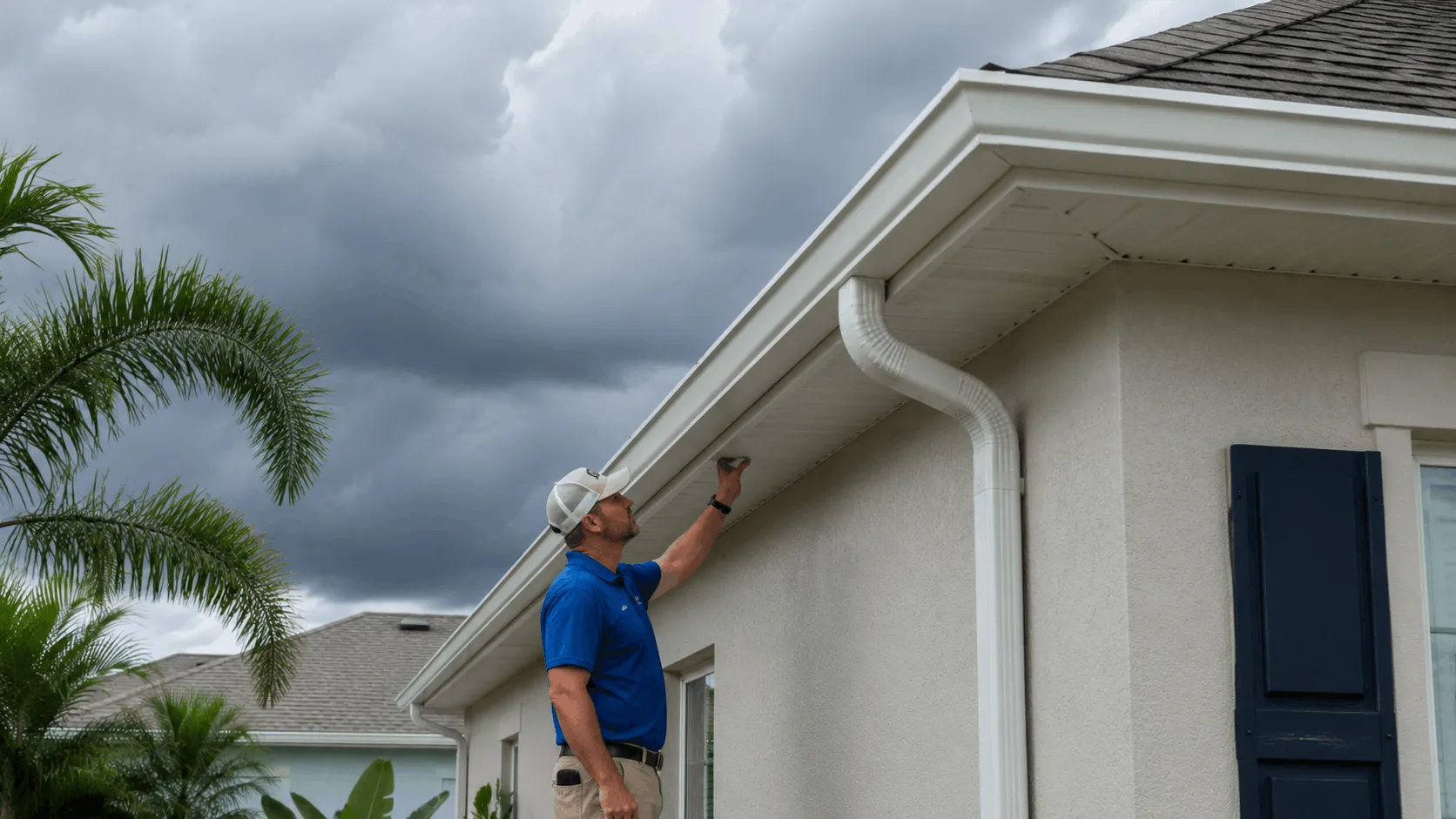
Downspout work can be booked on its own; you do not need other gutter work done to have a downspout extended or moved.
Call (850) 819-6031 or use the online form and tell us where the water is ending up. We will come out and look at it, and you will know what the work costs.
Downspout fittings compared
| Fitting | What it does | Use it where | What it will not do |
|---|---|---|---|
| Extension | Carries water farther from the wall | Water lands too close to the house | Carry more water than the pipe delivers |
| Splash block | Spreads water as it lands | Soil or mulch is washing out at the outlet | Move the water farther from the wall |
| Elbow | Turns the pipe in a new direction | Water crosses a door, walkway or driveway | Add capacity to a gutter run |
| New downspout | Adds another outlet to a gutter run | A run has more roof than its outlets can carry | Replace drainage work below ground |
Sources
- Principle 8 Guidance: Reduce Stormwater Runoff, UF/IFAS Florida-Friendly Landscaping Program. Directing downspouts into landscaped or pervious areas
- Extend Downspouts, Delaware Department of Natural Resources and Environmental Control. Pooling at the foundation; keeping downspout flow off driveways, sidewalks and roads