
Gutter Guard Installation Guide: How to Protect Your Home from Clogged Gutters, Water Damage & Costly Repairs
Gutters are one of the most important protective systems on your home, yet they are also one of the most commonly neglected. When gutters become clogged with leaves, pine needles, dirt, and debris, water can overflow and cause serious damage to your roof,
siding, foundation, and landscaping.
This is where gutter guard installation becomes a smart, long-term solution. Gutter guards are designed to keep debris out while allowing rainwater to flow freely, reducing maintenance and helping prevent costly repairs. In this complete guide, we’ll explain what gutter guards are, why they matter, how they’re installed, and how they help protect your home year-round.
What Is a Gutter Guard and How Does It Work?
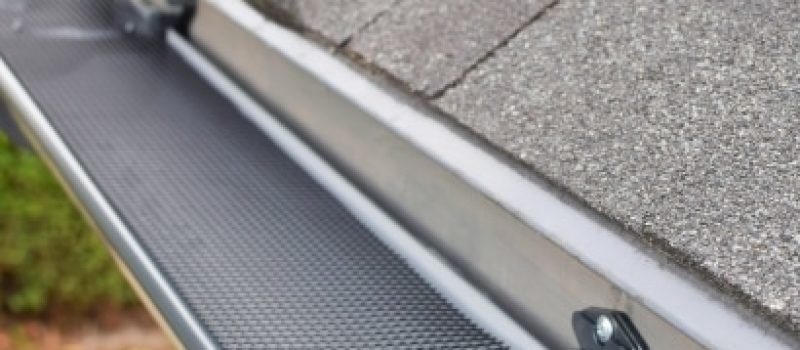
A gutter guard is a protective system installed over or inside your existing gutters to block debris while still allowing rainwater to enter the gutter channel. Instead of leaves and dirt collecting inside the gutter and causing clogs, the guard acts as a filter or shield that keeps unwanted material out. Water flows across or through the guard and is directed safely into the downspouts.
Different gutter guard designs manage water flow in different ways. Some rely on fine mesh to filter debris, while others use surface tension to guide water into the gutter while debris slides off the edge. Regardless of the style, the primary goal is the same: maintain proper water flow and reduce blockages. When installed correctly, gutter guards significantly reduce the need for frequent gutter cleaning and help maintain consistent drainage during heavy rainfall.
Why Gutter Guard Installation Is Important for Your Home
Installing gutter guards is about more than convenience—it’s about protecting your home
from long-term damage. When gutters clog, water has nowhere to go, which leads to
overflow. This overflow can damage fascia boards, rot roof edges, stain siding, and wash
away soil around your foundation.
Over time, poor drainage can lead to crawlspace moisture issues, foundation settling, and mold growth problems commonly seen in homes throughout North Florida. Gutter guards also help prevent pest problems. Open gutters filled with debris create an ideal environment for birds, insects, and rodents to nest. By keeping gutters cleaner and drier, guards reduce the likelihood of infestations. In areas with heavy rainfall or dense tree coverage, gutter guard installation becomes even more important, as debris buildup happens faster and clogs become more frequent. A properly installed gutter guard system protects your home, saves time, and reduces
ongoing maintenance costs.
Types of Gutter Guards You Can Install
There are several gutter guard styles available, each suited for different environments and budgets.
Mesh or micro-mesh gutter guards are among the most popular options. They feature a fine metal or synthetic screen that allows water through while blocking leaves, pine needles, and debris. These guards work well in most conditions and offer a strong balance of performance and durability.
Reverse curve gutter guards are designed to direct water into the gutter using surface tension while debris slides off the curved edge. These systems can be very effective during heavy rain but must be installed precisely, often making professional installation the best option.
Foam and brush gutter guards fit inside the gutter and allow water to pass through while blocking larger debris. While easy to install, they may require more frequent maintenance in areas with fine debris or heavy tree coverage. Choosing the right type depends on your roof design, nearby trees, rainfall levels, and long-term maintenance goals.
Gutter Guard Installation Process Explained
The gutter guard installation process starts with a full inspection and cleaning of your existing gutters. Installing guards over dirty or damaged gutters can trap debris and reduce effectiveness, so proper preparation is essential.
Once the gutters are clean and securely fastened, precise measurements are taken to ensure the guards fit correctly along the entire roofline. The guards are then cut or adjusted to match the gutter length and shape. Depending on the system, guards may snap into place, attach with clips, or be secured using fasteners.
Some styles require sliding under the roof edge or shingles, which must be done carefully to avoid damaging roofing materials. After installation, water flow is tested to confirm proper drainage into the gutters and downspouts. A correctly installed gutter guard system should allow water to flow smoothly without spilling over the edges, even during heavy rain.
DIY vs Professional Gutter Guard Installation
While some gutter guards are marketed as DIY-friendly, professional installation often delivers better long-term results. Installing gutter guards requires working at heights, understanding proper alignment, and ensuring compatibility with your roof and gutter system.
Small mistakes, such as gaps, improper slope, or loose sections, can reduce effectiveness and cause water overflow. Professional installers have the experience to choose the right guard type, secure it correctly, and avoid common issues like shingle damage.
For multi-story homes, complex rooflines, or areas with heavy debris, professional gutter guard installation provides peace of mind, improved performance, and enhanced safety.
Maintenance After Gutter Guard Installation
Although gutter guards significantly reduce maintenance, they do not eliminate it entirely. Periodic inspections are still important to ensure debris does not collect on top of the guards or near downspouts.
Checking your system in the spring and fall helps maintain optimal performance. After major storms, it’s a good idea to visually inspect your gutters to ensure guards remain secure. Keeping downspouts clear and ensuring water flows away from the foundation will help your system perform efficiently for many years. With minimal upkeep, quality gutter guards can significantly extend the lifespan of your
gutter system.
Frequently Asked Questions About Gutter Guard Installation
Do gutter guards really work?
Yes. When installed correctly, gutter guards significantly reduce clogs, improve water flow, and lower maintenance needs.
Can gutter guards handle heavy rain?
High-quality gutter guards are designed to manage heavy rainfall while preventing overflow, especially when paired with properly sized gutters.
How long do gutter guards last?
Most metal gutter guard systems can last many years with basic maintenance, often matching the lifespan of the gutters themselves.
Are gutter guards worth the investment?
For most homeowners, gutter guards save time, reduce cleaning costs, and help prevent expensive water damage, making them a smart long-term investment.
Conclusion
A professionally planned gutter guard install is one of the most effective ways to protect your home from clogged gutters, water damage, and costly repairs. By blocking debris, improving drainage, and reducing maintenance, gutter guards help your gutter system perform efficiently in all seasons. Whether you’re upgrading your current gutters or installing guards for the first time, choosing the right system and ensuring proper installation will provide long-term protection and peace of mind.